What to expect when purchasing a home in New York City
Buying a home should be one of the most exciting milestones of your life. To prepare yourself for this moment, you need to know what to expect during the process. This step-by-step, first-time homebuyer’s guide will reduce the stress of buying a home and help you enjoy the journey.
Your home search should begin with an initial consultation with a real estate agent. During this meeting, you’ll discuss what you’re looking for in a home and be introduced to the terms of your potential working relationship through the Buyer’s Representation Agreement, which is required for anyone working with a Buyer’s Agent in New York City.
Real Estate Agent: Choose an experienced buyer’s agent who specializes in your target neighborhoods and property type (co-op, condo, or townhouse). NYC co-op purchases require extra experience, especially with board packages, so make sure your agent has several years of co-op experience. Ask friends for recommendations and check online reviews or testimonials from past clients. Your agent will provide a Buyer’s Representation Agreement outlining the term length, compensation, and exclusivity, which is required by law. Please note that in the vast majority of sales, the seller will pay the buyer's agent's commission.
Attorney: A lawyer experienced in NYC residential real estate (especially co-ops and condos) is mandatory for contract and due diligence. An experienced real estate agent will have good recommendations of trusted attorneys.
Lender: Real estate transactions in NYC are unique compared to the rest of the country, and a good local mortgage bank can help you navigate the purchasing process smoothly. There are so many quirks in NYC deals, so you'll want someone experienced, responsive, and familiar with the local market.
Contractor/Architect: If you are considering homes that need work, a professional’s advice on the scope of work and cost of renovations is invaluable. This helps you determine your offer price by factoring in the time and money required to make the home “move-in” ready.
This step is essential before viewing properties if you plan to finance your purchase, as it provides a clear idea of what you can afford. A pre-approval can be obtained relatively quickly from a mortgage banker or broker, and your agent will need it to submit any offers on your behalf.
Before submitting offers, gather all necessary documents for your agent and lender. The list may vary by purchase, but it’s generally helpful to have:
For an apartment purchase, your agent will use this information to prepare the REBNY financial statement, which is required when submitting an offer.
Location, location, location! Narrow down where you think you’ll be happiest by exploring neighborhoods, talking to friends, and doing online research. Some buyers prioritize school districts — websites like Inside Schools or Great Schools are helpful resources. Others focus on commutes, and Google Maps is a great tool to estimate travel times and routes.
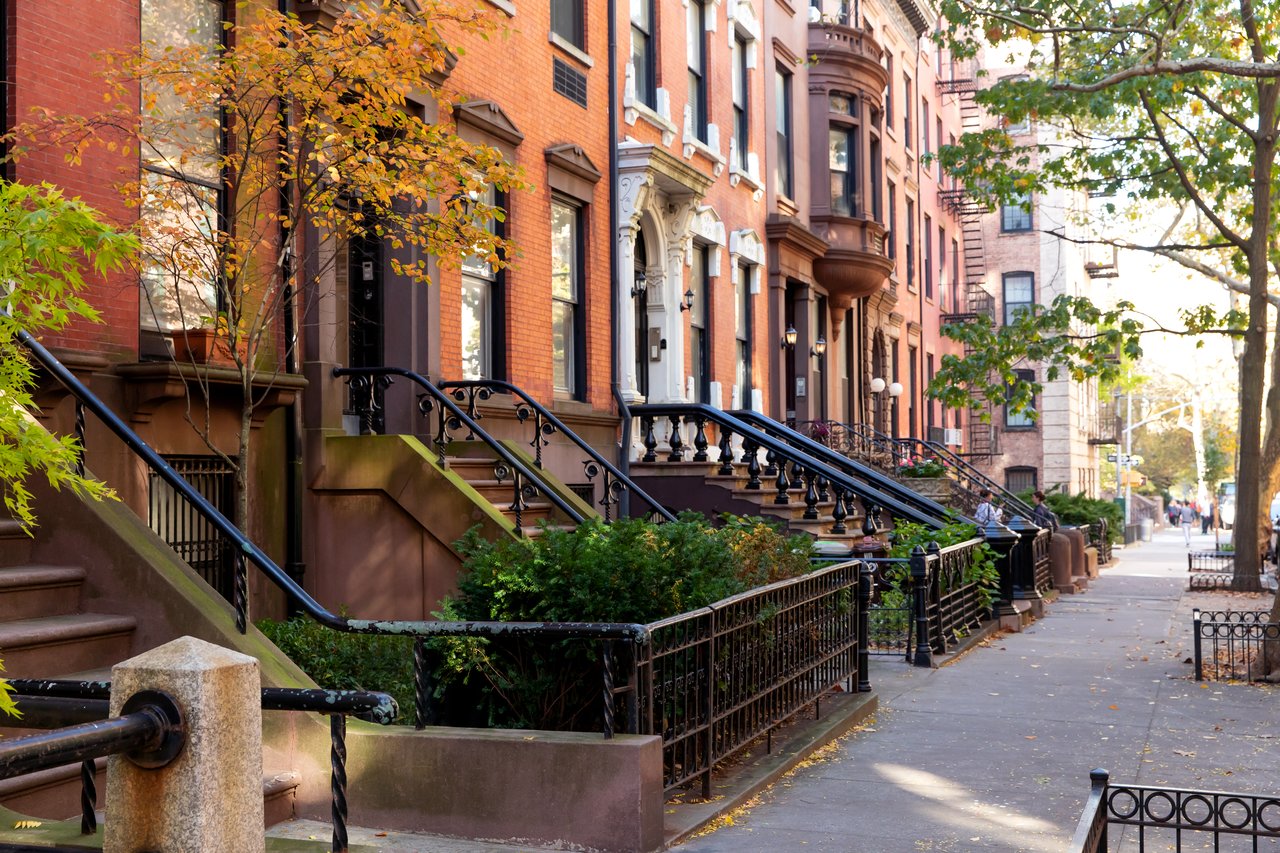
You’ll also need to understand the three main types of properties in NYC:
Work with your agent to determine a fair market price based on comparable sales (comps) and current market demand.
The seller’s attorney will draft the contract of sale.
Due diligence: For an apartment, the attorney will review the building’s offering plan, finances, and board meeting notes, as well as communicate with building management to identify any potential red flags. For all properties the attorney will review public records through city databases and title searches for violations or open permits. In NYC, inspections typically occur during this stage, before contract signing.
Attorney Review: Once both parties have reviewed and negotiated the contract, the buyer will sign and place a 10% contract deposit into escrow, held by the seller’s attorney. After these funds have been received, the sellers will countersign and the fully executed contract will be distributed to both parties.
Complete Loan Application: Once you are in contract, provide a copy of the fully executed contract to your bank. You will then go through the full mortgage application process. From start to finish, this normally takes about 30—60 days to get a loan commitment letter.
Appraisal: As part of underwriting, the bank will order a third-party appraisal of the property.
For condos and co-ops, you will need to complete a purchase application. The size and complexity of these applications vary depending on the building’s requirements.
Talk to your agent to understand what to expect for your target buildings.
A day or two before closing, a final walk-through is scheduled to ensure the home is in the same condition as when you signed the contract and that any agreed-upon repairs have been completed. During this visit, appliances and outlets should be tested, and faucets and plumbing run to check for leaks or defects. The listing agent will make sure that utility accounts remain open through the walk-through to ensure everything can be tested. Prior to close, you can also arrange for the accounts to transfer to your name the day after closing for a smooth transition.
Once all requirements have been satisfied to complete the transaction, the attorneys will schedule a closing. At the closing, you will sign all final documents, pay the balance of the purchase price, and the remaining closing costs. After these are complete, you get the keys. Congratulations!
With careful consideration of each client's needs, Ria strives for a streamlined process to both buying, selling and renting real estate in New York City, with particular expertise in Brooklyn townhomes, Manhattan apartments and the co-op board application process. With the best resources and connections within the real estate industry, every client at every price-point receives high-touch service tailored to their needs.