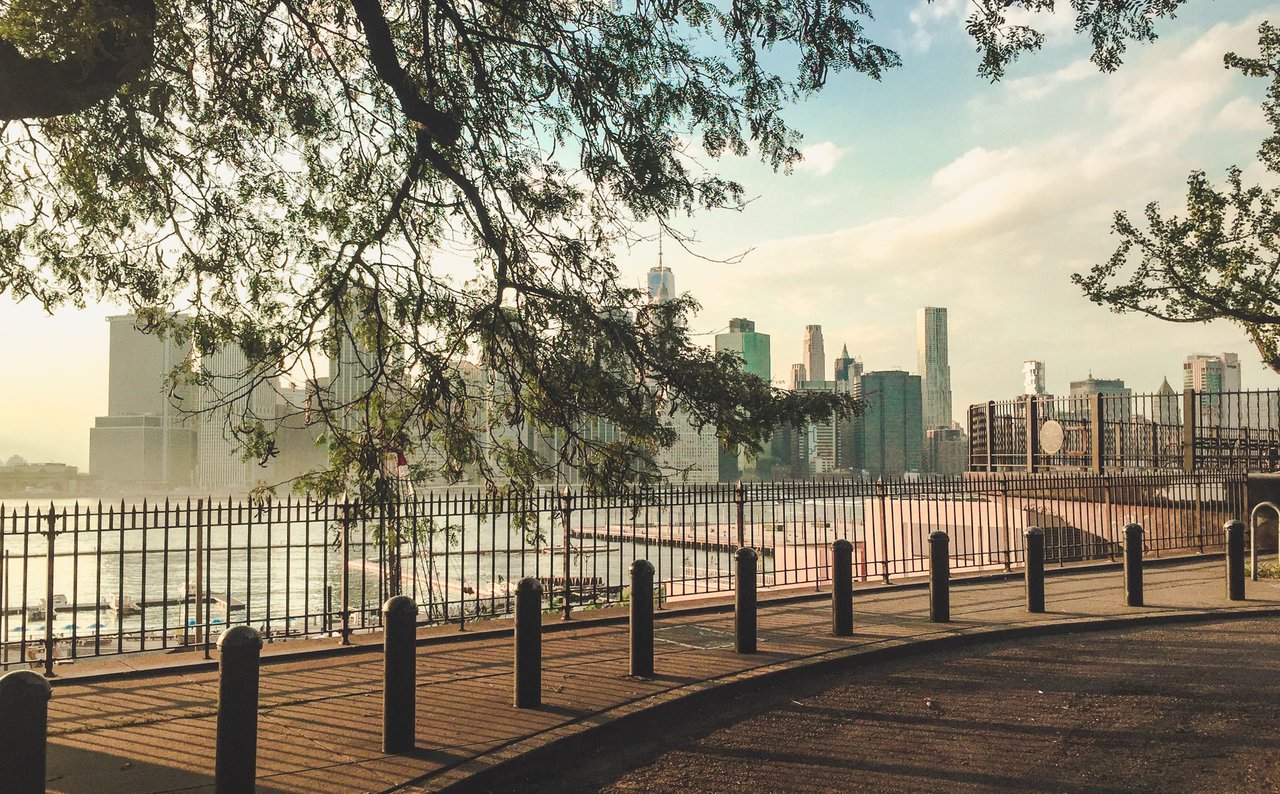
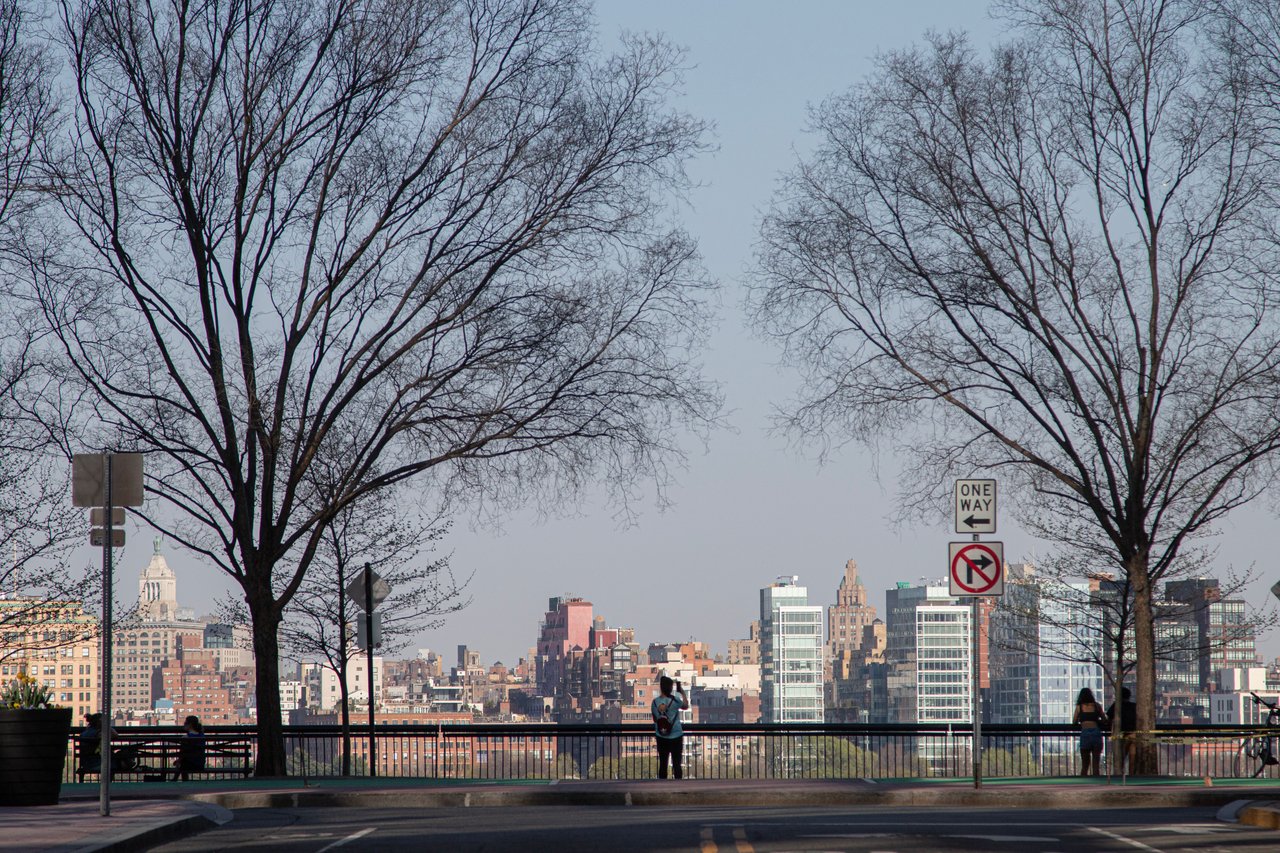
For over 20 years, Ria has called Brooklyn Heights home. From morning walks with her dog in Cadman Plaza to the spectacular sunsets on the Promenade, she knows firsthand what makes it so special. Having raised her family in this tight-knit community, she’s experienced all facets of life in this seemingly small town in the big city.
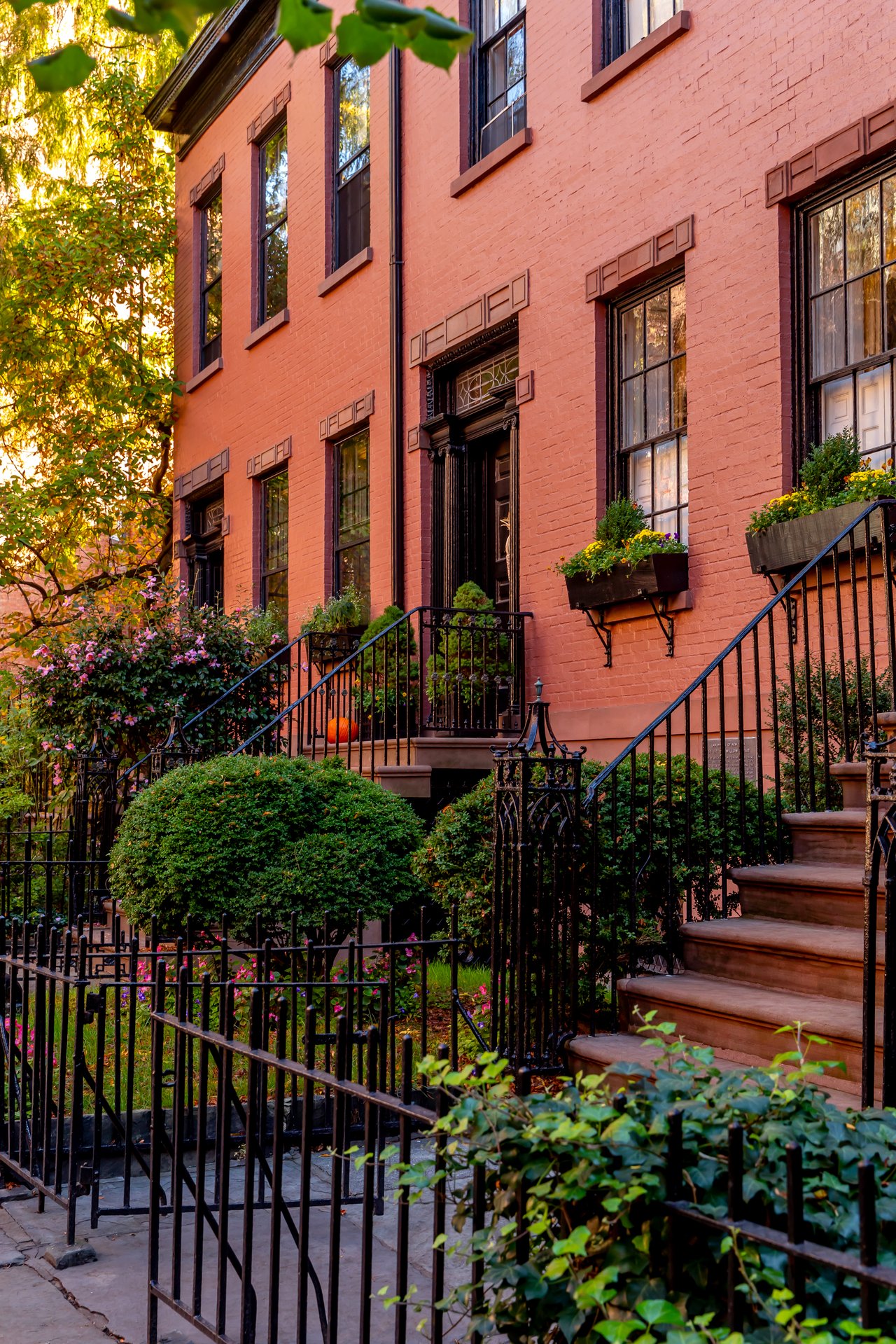
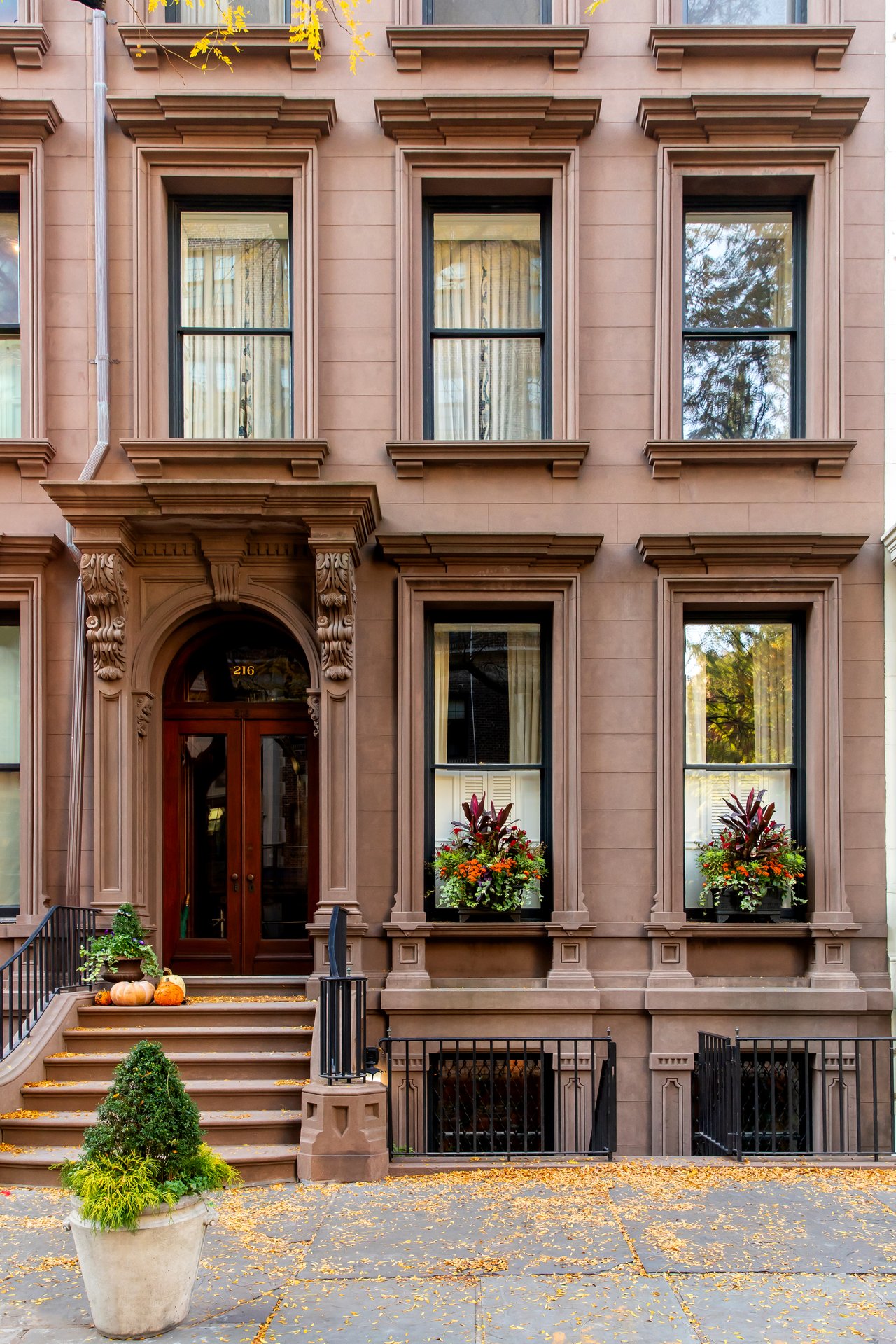
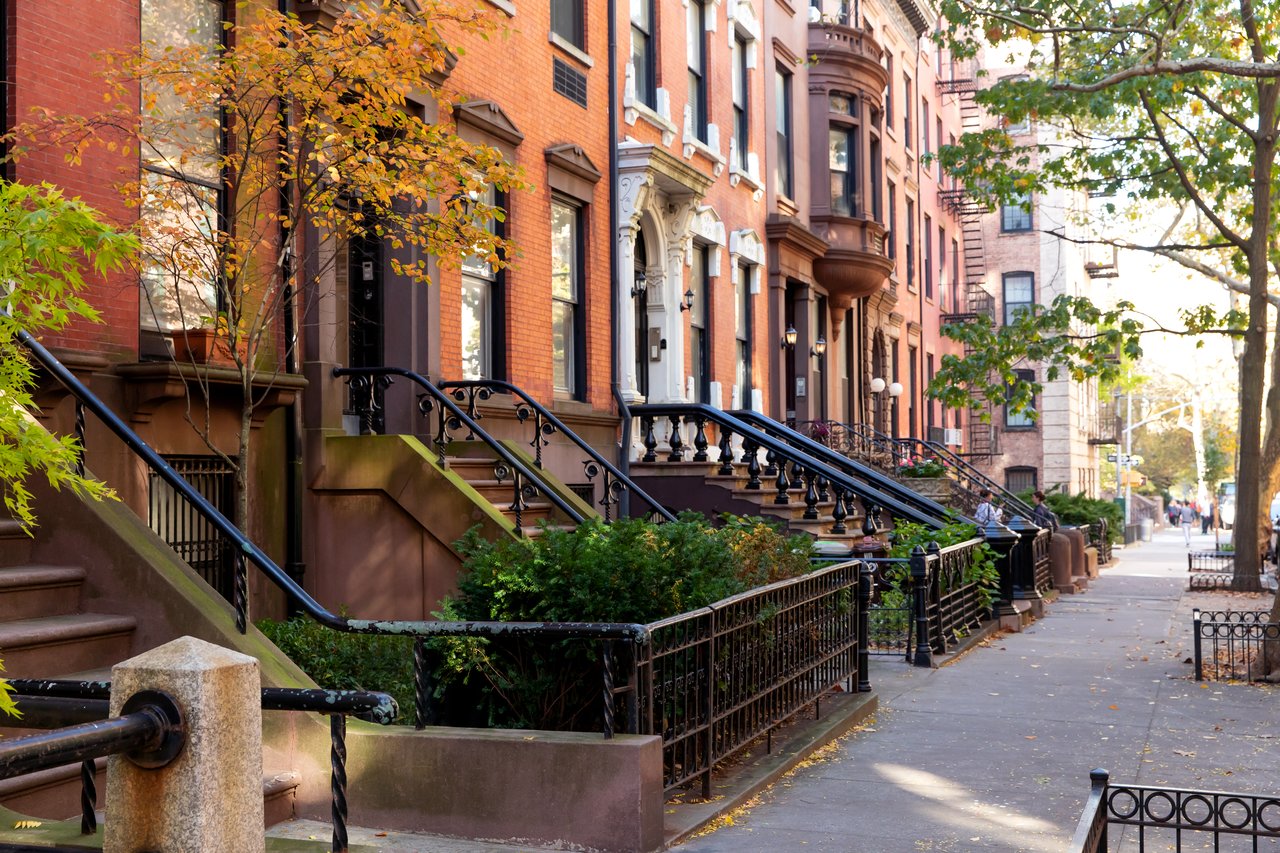
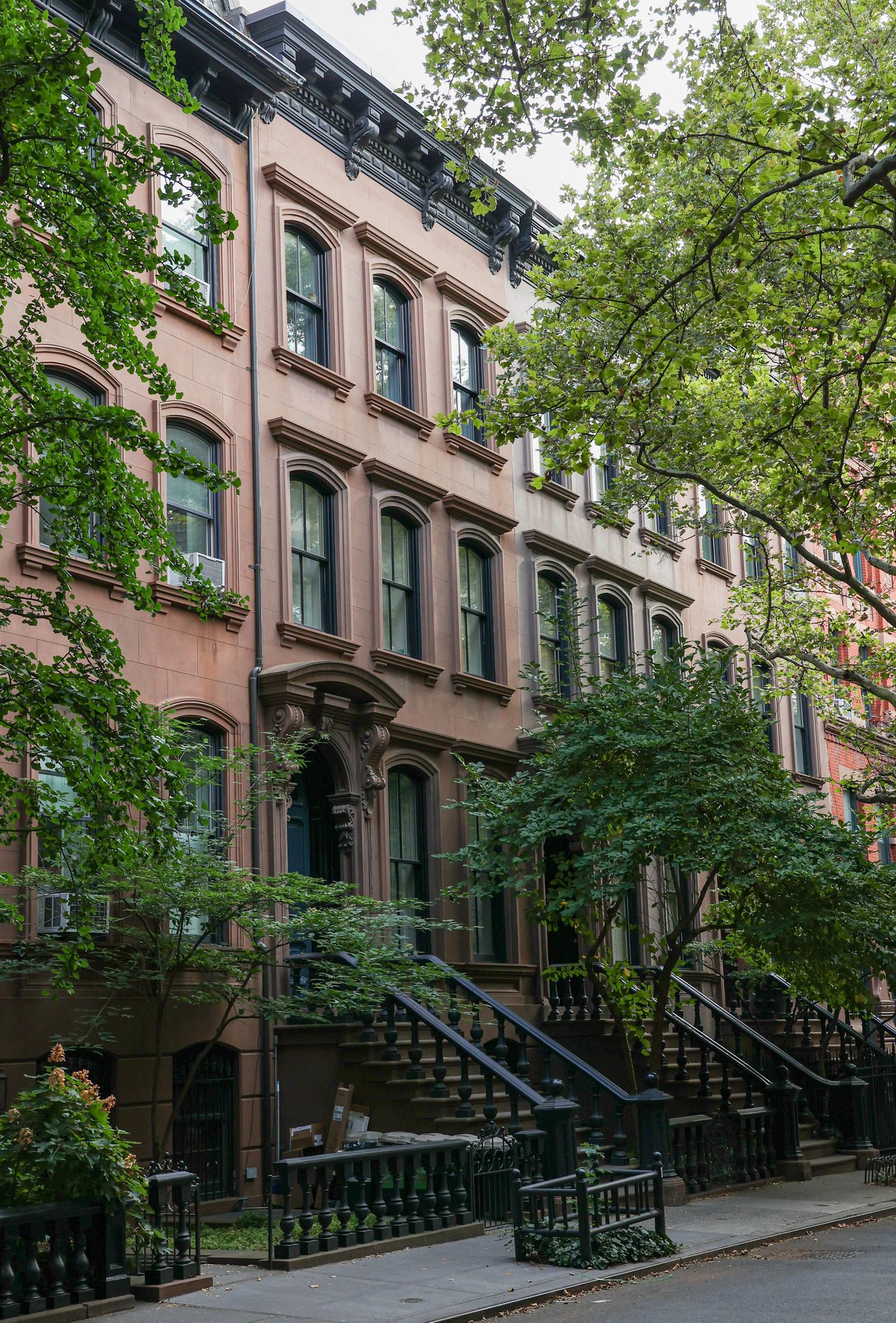
As a long-time Manhattanite looking for more space, she considered Brooklyn Heights as the only place she would live outside of the city. As the first stop in Brooklyn on almost all the subway lines, commuting is remarkably easy, and the tree-lined streets, historic brownstones, and timeless character make it one of the most beautiful areas of New York City. Living here allowed for peace and calm just a stone’s throw from the hustle and bustle across the river.
Back then, Brooklyn was significantly more affordable than Manhattan, but times have changed. Today, Brooklyn Heights is one of New York City’s most sought-after and expensive neighborhoods, with $10M+ townhomes being very common. The real estate market here is incredibly competitive and fast-paced.
While Brooklyn Heights has always been special, the last 5 years have seen an explosion in growth. New restaurants, cafés, and local businesses have enlivened the neighborhood. Montague Street remains the commercial hub, but many of the area’s best spots are tucked away on quieter blocks. Because Brooklyn Heights is primarily residential, many of its hidden treasures feel like local secrets—the kind of places that are very much “IYKYK.”
As a longtime resident of Brooklyn Heights, Ria has developed an intimate, insider understanding of the neighborhood and has created a list of its best destinations to help you experience Brooklyn Heights as a local—from beloved restaurants and cafés to bookstores, boutiques, and everyday essentials. If Brooklyn Heights feels like a place you’d like to explore further, she is available to share more insight and help guide your search in the area.
Welcome to the Brooklyn Heights Neighborhood Guide, featuring some of the neighborhood's best destinations. Places marked with a star ★ are Ria's personal favorites. Whether you're new to the neighborhood or simply exploring, we hope this guide helps you discover a few favorite places of your own.